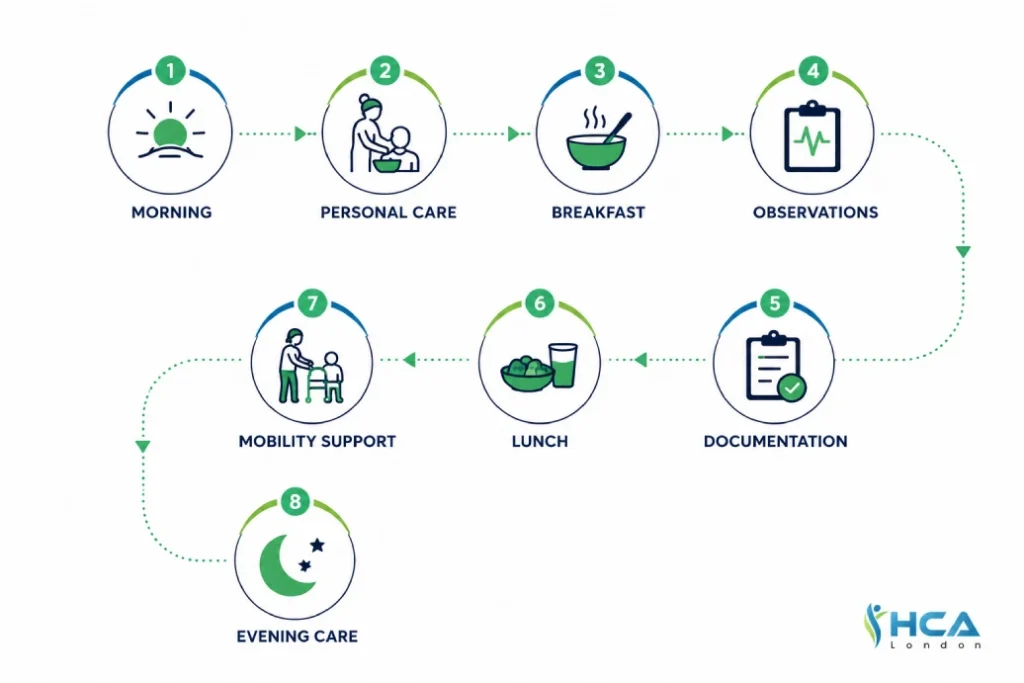
Key Healthcare Assistant Responsibilities
Healthcare assistants perform a wide variety of duties throughout each shift. Some responsibilities focus on physical care, while others involve communication, observation, and supporting patients emotionally.
Let’s explore the responsibilities that form the foundation of this rewarding career.
Providing personal care is one of the most important responsibilities of a healthcare assistant. Many patients are temporarily or permanently unable to carry out everyday tasks independently due to illness, disability, surgery, or old age.
Healthcare assistants may help with:
- Washing and bathing
- Dressing and changing clothes
- Oral hygiene
- Hair and nail care
- Toileting and continence support
- Changing bedding and maintaining personal comfort
These tasks are never just about hygiene. They help people maintain their dignity, confidence, and quality of life.
For example, allowing a resident to choose their own clothes or encouraging them to wash parts of their body independently supports person-centred care while preserving their independence.
Good healthcare assistants understand that respect, privacy, and communication are just as important as completing the task itself.
Reduced mobility affects many people receiving health and social care. Some patients are recovering after surgery, while others live with long-term conditions that limit movement.
Healthcare assistants help patients move safely by:
- Assisting with walking
- Helping patients transfer between beds and chairs
- Using mobility equipment safely
- Repositioning patients to reduce pressure damage
- Encouraging gentle movement where appropriate
Safe mobility isn’t simply about getting from one place to another. It helps prevent falls, reduces the risk of pressure ulcers, improves circulation, and supports physical recovery.
Healthcare assistants follow moving and handling procedures to protect both themselves and the people they care for.
Healthcare assistants spend more time with patients than almost anyone else, making them well placed to notice changes that others might miss.
Depending on their training and workplace, they may:
- Measure temperature
- Record pulse rate
- Check blood pressure
- Monitor breathing
- Measure oxygen saturation
- Record weight
- Observe changes in appetite, mood, or behaviour
Healthcare assistants don’t diagnose medical conditions. Instead, they collect accurate information and promptly report concerns to nurses or senior staff.
For example, if a normally cheerful resident suddenly becomes withdrawn or refuses meals, an observant healthcare assistant can identify the change early, allowing the healthcare team to investigate before the condition worsens.
Good nutrition plays a vital role in recovery, energy levels, and overall wellbeing. However, many patients need support during mealtimes.
Healthcare assistants may:
- Prepare meals according to care plans
- Help patients eat and drink safely
- Encourage regular hydration
- Record food and fluid intake
- Identify swallowing difficulties
- Report concerns about weight loss or poor appetite
Mealtimes also provide an opportunity to observe changes in a patient’s health. A reduced appetite or difficulty swallowing may indicate an underlying medical issue that requires further assessment.
Supporting nutrition isn’t simply about serving food. It’s about helping people maintain their strength and health while respecting their individual preferences and dietary needs.
Healthcare isn’t only about treating physical conditions. Patients often experience fear, loneliness, frustration, or anxiety, particularly when they’re away from family or adjusting to life-changing illnesses.
Sometimes, the most valuable support a healthcare assistant can offer is simply being present.
This may involve:
- Listening without judgement
- Offering reassurance
- Encouraging conversation
- Helping reduce feelings of isolation
- Supporting patients during difficult moments
- Building trusting relationships
A short conversation or a few reassuring words can make a significant difference to someone’s day. Emotional wellbeing often influences physical recovery, which is why compassionate care remains one of the defining qualities of an excellent healthcare assistant.
Preventing the spread of infection is everyone’s responsibility in a healthcare setting. Whether working in a hospital ward or a care home, healthcare assistants help protect patients, colleagues, and visitors by following strict infection control procedures.
Many of the people receiving care have weakened immune systems, making them more vulnerable to infections that can quickly become serious. Small actions, such as washing hands correctly or wearing the right personal protective equipment (PPE), can prevent illnesses from spreading.
Healthcare assistants are responsible for:
- Following effective hand hygiene practices
- Wearing PPE correctly
- Cleaning and disinfecting equipment
- Safely disposing of clinical waste
- Preventing cross-contamination
- Following isolation procedures when required
These responsibilities aren’t simply workplace policies. They are essential safety measures that reduce the risk of healthcare-associated infections and help create a safer environment for everyone.
Good care depends on accurate information. Healthcare assistants play an important role in documenting the care they provide and reporting changes in a patient’s condition.
Every observation, whether it’s a change in appetite, mobility, mood, or temperature, helps healthcare professionals make informed decisions about a patient’s care.
Typical record-keeping responsibilities include:
- Updating daily care notes
- Recording food and fluid intake
- Documenting observations
- Reporting incidents or accidents
- Recording completed care tasks
Healthcare assistants must ensure records are factual, accurate, and completed promptly. Missing or incorrect information can affect patient safety and continuity of care.
Healthcare assistants communicate with patients, relatives, nurses, doctors, therapists, and colleagues throughout every shift. Clear communication helps ensure everyone involved understands a patient’s needs and any changes in their condition.
Effective communication includes:
- Listening carefully to patients
- Explaining tasks clearly and respectfully
- Reporting concerns to senior staff
- Sharing important information during handovers
- Maintaining confidentiality at all times
Strong communication also helps build trust. Patients are more likely to express concerns when they feel heard and respected, allowing problems to be identified before they become more serious.
Keeping patients safe is one of the most important healthcare assistant responsibilities. Every decision, no matter how small, should contribute to reducing risks and promoting wellbeing.
Healthcare assistants support patient safety by:
- Identifying hazards in the environment
- Following care plans correctly
- Preventing falls
- Using moving and handling equipment safely
- Reporting concerns immediately
- Following safeguarding procedures
Patient safety is not a single task completed once a day. It is an ongoing responsibility that influences every interaction with the people receiving care.
Every individual deserves to be treated with respect, regardless of their age, condition, or level of independence. Healthcare assistants help protect a person’s dignity by recognising that care is about more than meeting physical needs.
Simple actions make a meaningful difference, such as:
- Closing curtains during personal care
- Asking for consent before providing support
- Respecting cultural and religious preferences
- Encouraging independence whenever possible
- Speaking respectfully and maintaining confidentiality
Providing dignified care helps people feel valued, respected, and involved in decisions about their own wellbeing. It is a fundamental principle of person-centred care and an essential part of professional practice.
Responsibilities by Workplace
Although the core responsibilities remain similar, the daily role of a healthcare assistant varies depending on where they work. Understanding these differences can help you choose the right career path and prepare for different working environments.
Healthcare assistants working in care homes often build long-term relationships with residents. They support older adults and people living with physical disabilities, dementia, or long-term health conditions.
Their responsibilities commonly include:
- Assisting with personal care
- Supporting daily routines
- Encouraging independence
- Providing companionship
- Monitoring long-term health conditions
- Communicating with families and multidisciplinary teams
Unlike hospital settings, care homes focus on helping residents maintain their quality of life over an extended period rather than supporting short-term recovery.
Hospital healthcare assistants work in a faster-paced environment where patients may require urgent or short-term care.
Responsibilities often include:
- Taking and recording observations
- Preparing patients for procedures
- Supporting nurses during clinical tasks
- Assisting patients after surgery
- Helping patients move safely
- Maintaining clean clinical environments
Hospital HCAs may work across different wards, exposing them to a wide variety of medical conditions and patient needs.
Community healthcare assistants provide care in clinics, rehabilitation centres, and local healthcare services, helping people remain independent while receiving support closer to home.
Their work may involve:
- Supporting rehabilitation
- Monitoring long-term conditions
- Promoting healthy lifestyles
- Assisting with mobility
- Encouraging independence within the community
Community care often focuses on preventing unnecessary hospital admissions while helping people manage their health more effectively.
Home care assistants visit people in their own homes, allowing them to continue living independently for as long as possible.
Typical responsibilities include:
- Assisting with personal care
- Preparing meals
- Supporting medication routines where appropriate
- Helping with light household tasks
- Providing companionship
- Monitoring wellbeing and reporting concerns
Working in someone’s home requires excellent communication, adaptability, and respect for personal routines, preferences, and privacy.
Essential Healthcare Assistant Skills
Technical knowledge is only one part of becoming an excellent healthcare assistant. Employers also value personal qualities that help staff deliver safe, compassionate, and person-centred care.
Every patient has different needs, experiences, and concerns. Showing kindness, patience, and empathy helps people feel supported during vulnerable moments.
Healthcare assistants spend much of their day speaking with patients, families, and colleagues. Clear communication helps prevent misunderstandings while ensuring patients receive consistent care.
Small changes in a person’s condition can indicate larger health concerns. Healthcare assistants need strong observational skills to recognise changes and report them promptly.
Healthcare is a collaborative profession. Healthcare assistants work closely with nurses, doctors, therapists, and other professionals to provide coordinated care.
Healthcare settings are busy and unpredictable. Good organisation helps healthcare assistants prioritise tasks while ensuring every patient receives the attention they need.
Supporting people through illness, disability, or end-of-life care can be emotionally demanding. Remaining calm, professional, and compassionate during difficult situations is an essential part of the role.
From recording observations accurately to following infection control procedures, attention to detail helps protect patient safety and maintain high standards of care.
Duties vs Responsibilities
Although the terms duties and responsibilities are often used interchangeably, they have slightly different meanings in healthcare.
Duties are the specific tasks a healthcare assistant carries out during a shift.
Examples include:
- Helping a patient get dressed
- Recording blood pressure
- Assisting with meals
- Changing bed linen
Responsibilities refer to the broader professional obligations behind those tasks.
For example, when helping someone move from a bed to a chair, the duty is assisting with mobility. The responsibility is ensuring the patient remains safe, comfortable, and treated with dignity throughout the process.
Understanding this difference helps healthcare assistants focus not only on completing tasks but also on delivering high-quality, person-centred care.
Professional Boundaries
Healthcare assistants play an essential role within the healthcare team, but they also work within clearly defined professional boundaries. Knowing what falls within your role helps protect both patients and staff while ensuring care is delivered safely.
Generally, healthcare assistants can:
- Provide personal care
- Monitor and record observations
- Support mobility and rehabilitation
- Assist with eating and drinking
- Update care records
- Report concerns to senior staff
- Provide emotional support
Depending on their training, workplace policies, and supervision, some healthcare assistants may also carry out additional clinical tasks.
However, healthcare assistants do not independently:
- Diagnose medical conditions
- Prescribe medication
- Develop treatment plans
- Make clinical decisions outside their competence
- Perform procedures they have not been trained or authorised to carry out
Recognising these boundaries is a sign of professionalism. When in doubt, healthcare assistants should always seek guidance from a registered healthcare professional.
Healthcare Assistant vs Care Assistant
People often use the terms healthcare assistant and care assistant interchangeably, but the roles are not always the same.
Both focus on supporting people with everyday needs, promoting independence, and delivering compassionate care. The main difference lies in where they work and the type of care they provide.
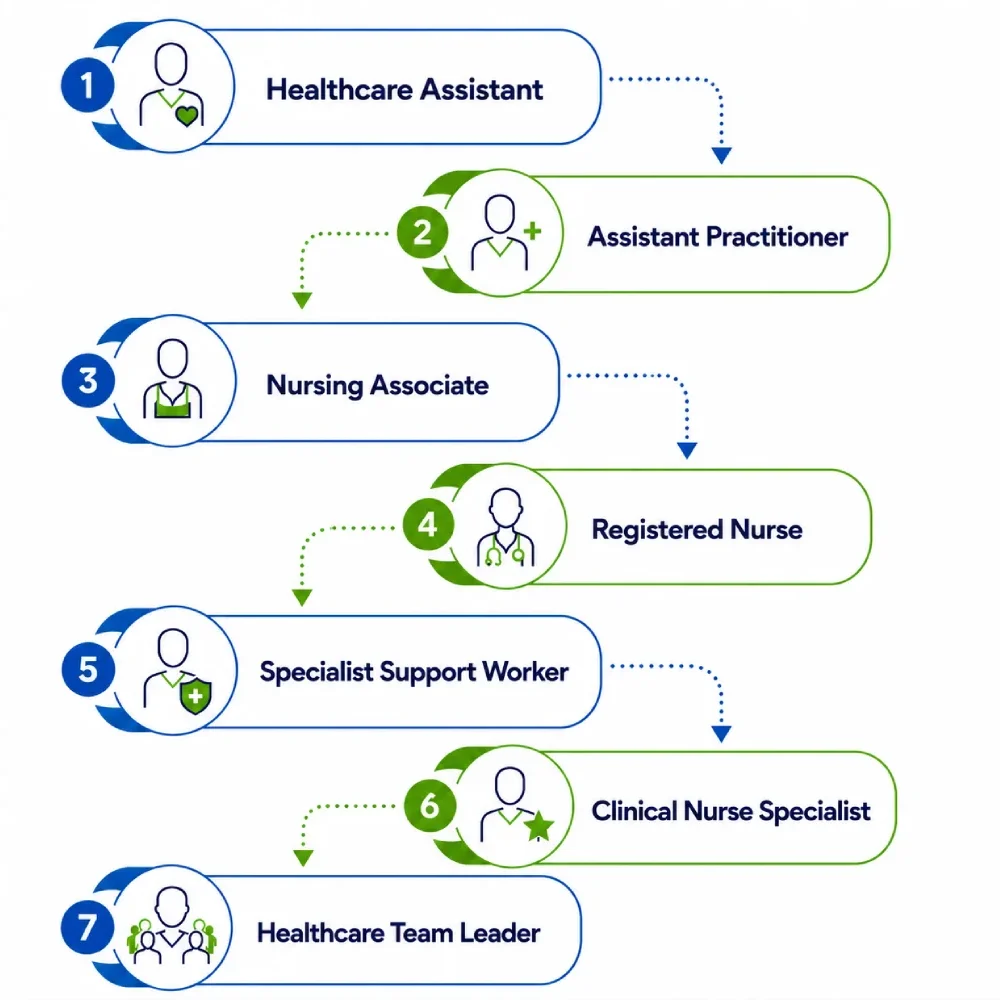
Continuing professional development plays an important role in career progression. Completing recognised training courses helps healthcare assistants develop new skills, stay up to date with best practice, and demonstrate their commitment to delivering high-quality care.
Frequently Asked Questions
1. What are the main responsibilities of a healthcare assistant?
Healthcare assistants support patients with personal care, mobility, nutrition, emotional wellbeing, infection prevention, monitoring observations, record keeping, and communication with the wider healthcare team. Their goal is to provide safe, compassionate, and person-centred care.
2. What skills does a healthcare assistant need?
Successful healthcare assistants combine practical skills with personal qualities such as compassion, communication, teamwork, observation, patience, organisation, and attention to detail.
3. Do healthcare assistants administer medication?
Some healthcare assistants may support medication administration after receiving appropriate training and authorisation from their employer. However, responsibilities vary depending on workplace policies, competence, and supervision.
4. Where can healthcare assistants work?
Healthcare assistants work across a variety of settings, including NHS hospitals, residential care homes, nursing homes, GP surgeries, community healthcare services, hospices, and people’s own homes.
5. Is being a healthcare assistant a good career?
For many people, becoming a healthcare assistant is a rewarding career that offers the opportunity to make a positive difference in people’s lives every day. It also provides valuable experience for those who wish to progress into nursing, allied health professions, or leadership roles within health and social care.
Key Takeaways
✓ Support patients with personal care while maintaining dignity.
✓ Monitor and report changes in health.
✓ Prevent infections through safe working practices.
✓ Communicate effectively with patients and healthcare teams.
✓ Promote independence whenever possible.
✓ Work within professional boundaries.
✓ Continue learning through CPD training.
Final Thoughts
Healthcare assistant responsibilities go far beyond helping with everyday tasks. Every conversation, every helping hand, and every small act of care can make a real difference to a patient’s comfort, confidence, and recovery. From supporting personal care to spotting changes in a patient’s condition, healthcare assistants play an important role in delivering safe, compassionate care every day.
The role calls for kindness, patience, good communication, and a genuine desire to help others. Although responsibilities may vary between hospitals, care homes, GP surgeries, and community settings, the goal is always the same: to provide care that protects dignity, encourages independence, and improves people’s wellbeing. By understanding these responsibilities and putting them into practice, you’ll be better prepared to become a confident, trusted, and compassionate healthcare assistant.