Palliative care is specialised medical care that relieves symptoms, pain, and stress caused by serious illness. It also provides emotional well-being and helps people maintain their quality of life. Palliative care helps people with serious or life-limiting illnesses. It aims to improve ease, dignity and quality of life. It can ease pain and other physical […]

The three key pieces of safeguarding legislation in England are the Children Act 1989, the Children Act 2004, and the Safeguarding Vulnerable Groups Act 2006. Together, they support child protection, welfare and safer safeguarding practice. Safeguarding is not just about spotting signs of abuse or neglect. It also depends on clear laws that tell organisations […]
In health and social care, PIES stands for Physical, Intellectual, Emotional, and Social development or needs. It is a simple framework that helps care workers look at a person as a whole rather than focusing on just one part of their wellbeing. Care staff use PIES every day, often without even naming it. When a […]
End-of-life care training gives healthcare workers and carers the skills to manage pain, ease symptoms, and communicate with compassion. It helps them support people with terminal illnesses with comfort and dignity. End-of-life care is crucial in the health care sector, but it can be emotionally challenging without adequate guidance. It focuses on comfort, dignity, and […]
You should reheat cooked food only once to lower the risk of food poisoning. Safe reheating also starts with proper cooling and storage. Poor storage can let harmful bacteria grow and make food unsafe. So, handle cooked food with care from the start. However, safe reheating does not begin when you turn on the microwave […]
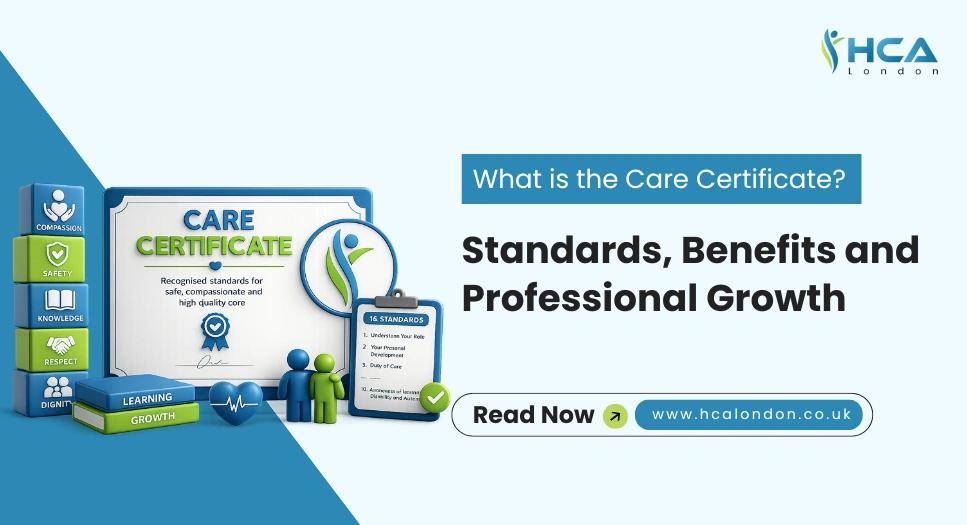
The Care Certificate is a recognised set of 16 standards for people working in health and social care. It gives new care workers the essential skills, knowledge, and behaviours they need to provide safe, compassionate, and high-quality care. It also introduces the key responsibilities expected in everyday care roles. The certificate helps employers ensure that […]
Do you always recognise how much impact your actions have in healthcare? Every day, care workers help protect vulnerable adults from harm and abuse. In fact, effective safeguarding in healthcare ensures the safety, dignity, and human rights of adults with care and support needs. Moreover, care workers face complex situations that demand clear understanding and […]
Healthcare assistants can administer medication, but only within clearly defined professional boundaries. The role requires appropriate training, proven competence, and authorisation from your employer. However, you must also follow your organisation’s medication policies and only carry out tasks that fall within your scope of practice and duties. Understanding these requirements is essential for protecting patient […]
Child safeguarding means recognising the signs of abuse early and knowing exactly what to do if you suspect a child is at risk. Healthcare assistants play a vital role because they often spend more time with children than many other professionals. Signs of abuse in children safeguarding often show up as unexplained injuries, behavioural changes, […]
CPD points, or Continuing Professional Development points, are a record of the learning and training healthcare assistants complete to keep their skills and knowledge up to date. In the UK, it is an important part of working in health and social care. It helps you stay current with best practices, provide safe care, and support […]