How Do These 3 Legislations Work Together?
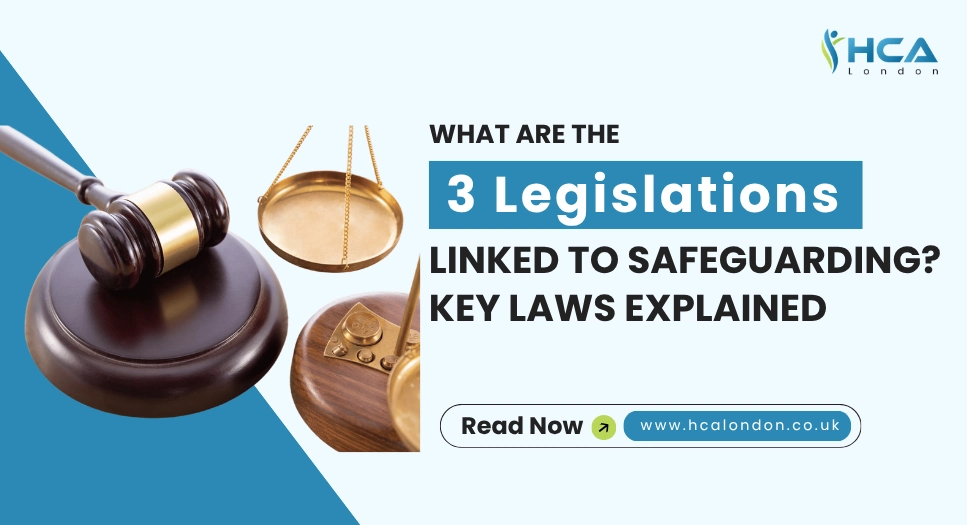
Each law covers a different part of safeguarding. When you look at them together, they create a broader approach to protecting children and vulnerable people.
For example, the Children Act 1989 provides the legal duties around children’s welfare and protection. Meanwhile, the Children Act 2004 helps different services work together when a child needs support or protection. The Safeguarding Vulnerable Groups Act 2006 adds another safeguard by supporting checks and barring arrangements for certain regulated roles.
As a result, these laws do more than cover separate responsibilities. They work across welfare, multi-agency cooperation and safer working practices to help reduce the risk of harm.
Example
Imagine you are a healthcare worker caring for a child who seems unusually quiet. You notice a bruise that the child cannot clearly explain, or you hear something that makes you concerned about their wellbeing. What should happen next?
In this situation, the Children Act 1989 provides the framework for protecting the child and responding to concerns about significant harm. However, you may not be the only professional involved. The Children Act 2004 supports different services, such as healthcare, social care and the police, in working together when a child needs protection.
There is also another safeguard. The Safeguarding Vulnerable Groups Act 2006 supports barring arrangements that help prevent unsuitable people from working in certain regulated activities with children or vulnerable adults.
So, when a concern arises, these laws work together in different ways, supporting the child, encouraging professionals to work together and helping reduce the risk of further harm.
Are These the Only Laws That Support Safeguarding?
These three laws play an important role in safeguarding, but other laws also apply.
Safeguarding covers many different situations. So, other laws may apply depending on the person’s age, needs and the type of risk involved.
For example, the Care Act 2014 provides an important legal framework for safeguarding adults in England. The Mental Capacity Act 2005 is also relevant when a person may have difficulty making certain decisions.
In addition, laws such as the Equality Act 2010 and Human Rights Act 1998 can support safeguarding by protecting people’s rights and promoting fair treatment.
Therefore, it is useful to see safeguarding as a wider legal framework rather than a list of only three laws. The relevant legislation depends on the person and the situation.
How Does Safeguarding Legislation Differ Across the UK?
Safeguarding has the same main goal across the UK: protecting people from harm. However, the laws and procedures used to achieve this goal can differ between England, Wales, Scotland and Northern Ireland.
This means that if you work in health or social care, the rules you follow may depend on where you work. Although the goal stays the same, the legal framework can change.
England
In England, several key laws support child safeguarding, including the Children Act 1989, Children Act 2004 and Children’s Wellbeing and Schools Act 2026.
In addition, the current statutory guidance is Working Together to Safeguard Children 2026. It explains how different services should work together when a child may be at risk.
For adults, the Care Act 2014 provides the main safeguarding framework. However, other laws may also apply depending on the person’s needs and the type of concern.
Wales
Wales has its own safeguarding framework. The Social Services and Well-being (Wales) Act 2014 provides the main legal framework for protecting children and adults at risk.
Alongside this, Working Together to Safeguard People and the Wales Safeguarding Procedures help professionals understand how to respond to concerns.
Scotland
Scotland follows a separate legal framework. For adults, the Adult Support and Protection (Scotland) Act 2007 is a key law. It gives councils duties and powers to make enquiries when an adult may be at risk of harm.
For children, meanwhile, professionals use the National Guidance for Child Protection in Scotland, together with relevant Scottish laws and local procedures.
Northern Ireland
Northern Ireland has its own safeguarding arrangements too. For children, the Children (Northern Ireland) Order 1995 and Safeguarding Board Act (Northern Ireland) 2011 form important parts of the legal framework.
For adult safeguarding, Adult Safeguarding: Prevention and Protection in Partnership provides key policy guidance. Other laws may also apply, depending on the type of safeguarding concern.
What Does This Mean for You?
You do not need to memorise every safeguarding law across the UK. Instead, focus on knowing which framework applies to your role and location.
For example, a healthcare assistant working in England will follow different legislation and guidance from a professional working in Scotland. Therefore, always check your local safeguarding policy and follow the procedures that apply to your workplace.
The goal remains the same: recognise concerns, report them appropriately and help keep people safe.
What Is the Main Safeguarding Legislation for Adults?
Adult safeguarding follows a different legal framework. The Care Act 2014 safeguarding is central to adult safeguarding in England.
Its safeguarding provisions cover issues such as abuse, neglect, safeguarding enquiries and multi-agency working. The Care Act sets out when safeguarding duties apply.
For example, the adult must:
- have care and support needs
- be experiencing or at risk of abuse or neglect
- be unable to protect themselves because of those needs
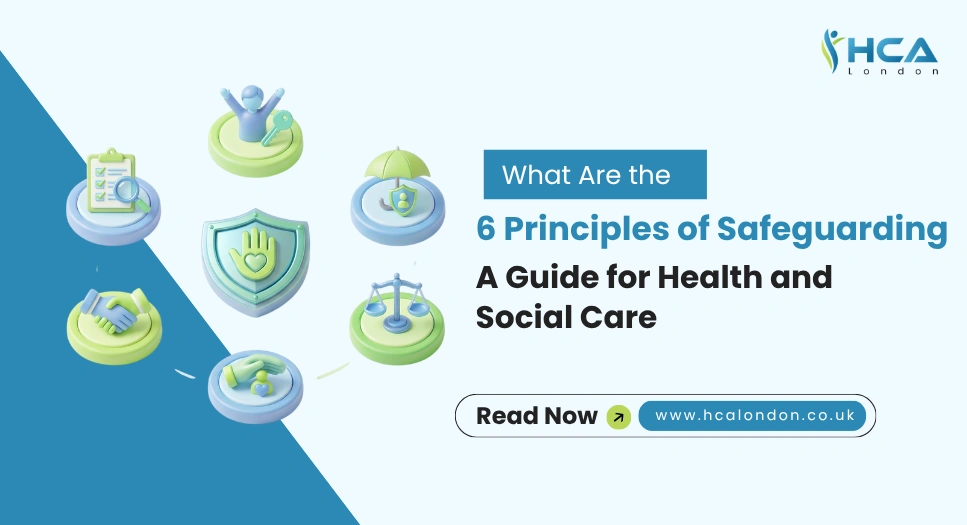
The Care Act also supports six key safeguarding principles:
- Empowerment, prevention, proportionality, protection, partnership and accountability.
These principles help keep the person at the centre of safeguarding work.
Legislation vs Safeguarding Guidance: What Is the Difference?
It is easy to mix up legislation and guidance. They are not the same. Legislation means law made through the legal system.
For example:
- Children Act 1989
- Children Act 2004
- Children and Social Work Act 2017
- Care Act 2014
Statutory guidance explains how organisations should apply the legal framework in practice. For child safeguarding, one key example is Working Together to Safeguard Children 2026. The current guidance explains how agencies should work together to protect children.
So, remember: Acts create legal duties. Guidance helps professionals apply those duties.
Why Is Safeguarding Legislation Important for Healthcare Professionals?
Healthcare professionals may see people when they are vulnerable. They may notice changes that others miss. For example, a healthcare worker may notice:
- unexplained injuries
- changes in behaviour
- signs of neglect
- fear around a particular person
- poor living conditions
- unexplained financial concerns
A healthcare professional does not need to prove abuse. Instead, they need to recognise concerns and follow their organisation’s safeguarding procedures. Good safeguarding also depends on effective communication. Professionals may need to share relevant information with the right people.
They should also record concerns clearly and follow local policies. The law gives the wider safeguarding system its legal framework. Local procedures then help staff know what to do in practice.
What Should a Healthcare Assistant Know About Safeguarding Law?
Healthcare assistants do not need to memorise every safeguarding law. However, they should understand the basics and know what to do when a concern arises.
Most importantly, they should know how to:
Safeguarding is everyone’s responsibility. So, if something does not feel right, staff should not ignore it. They should follow their organisation’s safeguarding process and speak to the appropriate person.
Build Your Safeguarding Skills with HCA
Understanding safeguarding law matters, but applying it in practice matters just as much. Healthcare Academy (HCA London) offers CPD-accredited safeguarding courses that can help you recognise concerns, understand your responsibilities and respond appropriately.
The Safeguarding Children Course focuses on child protection, while the Adult Safeguarding Course covers key issues affecting adults at risk. Both courses take around 1 hour to complete, making them a useful way to strengthen your safeguarding awareness alongside your professional development.
Whether you work in healthcare, social care or are preparing for a care role, these courses can help you build a stronger understanding of safeguarding and apply it more confidently in your work.
Final Words
Safeguarding starts with knowing your responsibilities and acting when something does not seem right. Understanding the three legislation linked to safeguarding can help healthcare professionals see how the law supports protection and safer practice.
However, safeguarding knowledge should not stop there. CPD courses can help you strengthen your skills, recognise concerns and feel more prepared to protect people from harm.
FAQs