What is Moving and Handling?
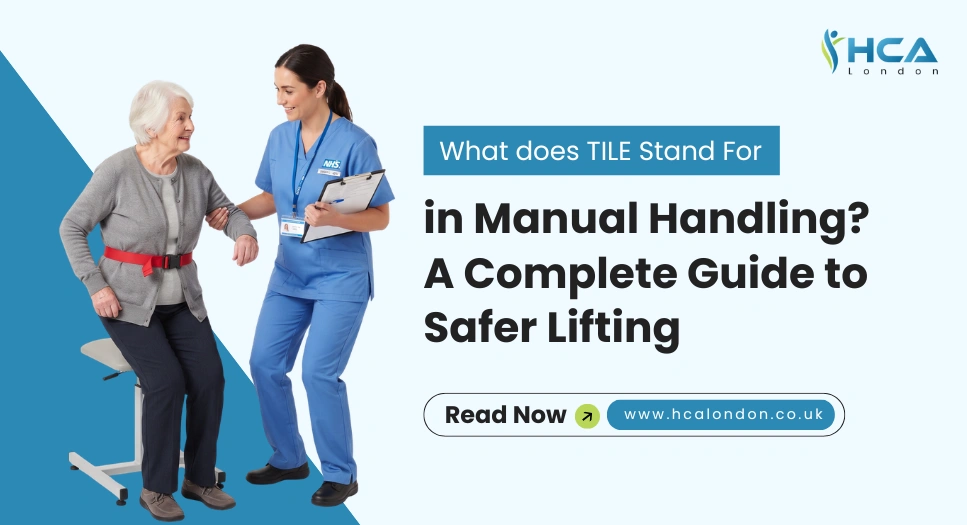
Moving and handling means lifting, lowering, pushing, pulling, carrying, or supporting a person or an object safely. Care workers use the correct techniques and equipment to complete these tasks. Safe moving and handling helps prevent injuries, protects the person’s dignity, and creates a safer environment for everyone. It also helps care workers complete daily tasks with greater confidence and less physical strain. Following safe moving and handling practices improves the quality of care and supports better outcomes for the people receiving care.
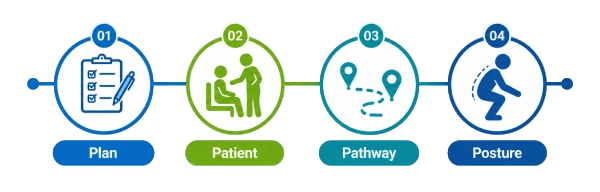
Plan: Prepare Before Moving and Handling
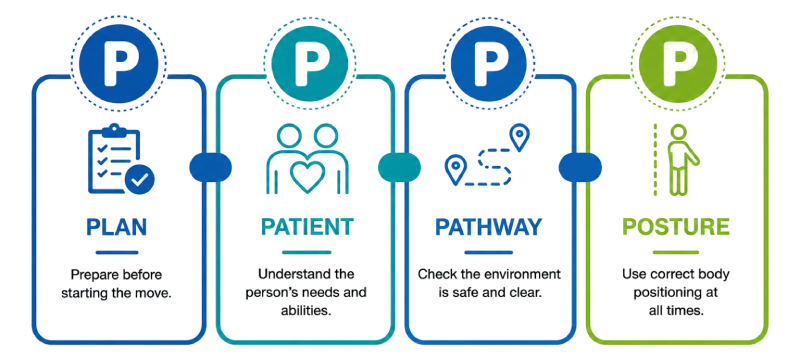
Planning is the first step in any moving and handling process. Many carers ask, what is the first rule of moving and handling? The answer is to plan before starting any movement. Proper helps carers understand the activity and identify potential risks. Before moving the individual, check their care and risk assessment plans. This will help you select the proper techniques and equipment.
Always check what support the person needs before starting. For example, you may need a hoist, slide sheet, or other moving aid. Also, decide how many carers should help with the move. Clear communication between the team makes the process safer and more comfortable.
Patient: Know the Person You Are Moving
Everyone is different, with unique abilities, needs, and capabilities. Before moving a patient, determine their ability to move and know their health requirements. Be aware of any pain or difficulties that could make moving the patient difficult.
Always seek their consent before starting anything and make them understand what is being done. It will ensure that they feel secure, appreciated, and respected. Moreover, always promote their independence as far as possible. It will help them stay dignified and gain confidence.
Pathway: Check the Surrounding Area
A clear and safe space helps carers complete moving and handling tasks smoothly. Before you begin, check the area and remove any possible hazards. A clear pathway gives carers enough space to move safely.
For example, remove clutter from the floor and make sure equipment is ready. Set the bed height to an appropriate level before transferring the individual. Check the wheelchair brakes to avoid unexpected movement. This will help ensure everyone stays safe.
Posture: Use Safe Body Positioning
Maintaining good posture is essential for helping carers prevent muscle injuries. Bad body positioning can result in back strains and pain. As such, carers need to apply proper body positioning in all activities.
Keep your feet stable and maintain a balanced position. Use your legs to support movement instead of your back. Avoid twisting, bending too far, or reaching too much. Also, keep the person close while moving them to maintain better control and safety.
Why Are the 4 P’s Important in Moving and Handling?
The 4 P’s, also known as the 4 principles of moving and positioning, give carers a clear and simple process to follow before every move. They help reduce risks, improve patient care, and make each transfer safer. They also help carers make better decisions in different care situations. These principles help healthcare teams deliver safe, respectful, and consistent care.
Injury Prevention
Planning using the 4 P’s is important to ensure carers have planned all their movements before doing them. Planning and proper posture help reduce the risk of injuries such as back injuries and muscle strains. This also minimises heavy lifting. Carers can work safely without the risk of future injuries.
Improves Patient Safety
A planned approach makes every transfer safer and easier to manage. It helps carers choose the right equipment and the best method for each person. This reduces the risk of falls, slips, and sudden movements. It also helps carers respond to the person’s needs during the move. As a result, patients feel more secure and comfortable throughout the process.
Supports Dignity and Comfort
Every person deserves care that respects their wishes and needs. The 4 P’s help carers explain every procedure, request consent, and engage the individual when possible. This allows people to feel comfortable, respected and secure. It also helps eliminate fear and build trust between the carer and the client.
Encourages Better Teamwork
Many moving and handling tasks require two or more carers. The 4 P’s give everyone a clear plan to follow before the move begins. Good communication helps each team member understand their role. This reduces confusion and makes every transfer more organised. Strong teamwork also improves safety and helps carers provide better support.
Common Moving and Handling Mistakes to Avoid
There are many mistakes caregivers make when they hurry through a moving and handling process. The mistakes can put the caregiver and the person they care for at risk. However, it is easy to avoid these situations with a few simple measures. Such mistakes include:
- Moving someone without planning for the move
- Failing to consider the care needs of the individual
- Disregarding their comfort and mobility levels
- Using inappropriate moving equipment
- Failing to communicate about the move to the person
- Miscommunication among caregivers
- Taking incorrect postures when moving someone
- Twisting and bending using the back
- Failing to assess the moving environment
- Inappropriate equipment used when moving someone
The mistakes may result in injuries and discomfort. Hence, caregivers should ensure that each move is well planned and performed safely by following the right techniques. Additionally, frequent training will increase caregivers’ skills and confidence while helping every person.
Equipment Used in Safe Moving and Handling
The right equipment makes moving and handling safer for both carers and the people they support. Each item serves a specific role and helps minimise physical strain during care. However, carers should always assess the person and the situation before choosing any equipment.
- Hoists help lift and move people who cannot support their own weight. They reduce heavy lifting and lower the risk of injury.
- Slide sheets allow carers to move or reposition a person in bed with less effort. They also reduce friction and improve comfort.
- Transfer boards help people move from one surface to another, such as from a bed to a wheelchair. They work well for people with good upper body strength.
- Standing aids support people who can stand but need extra help. They make short transfers safer and encourage independence.
- Wheelchairs provide safety and comfort when transporting people with mobility problems. Carers should check the brakes and footrests before using them.
Final Thoughts
Now that you know what are the 4 P’s of moving and handling, you can use them as a simple checklist for safer care. The four principles are useful in helping carers organise the process of moving and minimising any potential risks during transfers. Furthermore, they improve comfort and reduce the risk of injury. Applying the 4 P’s in daily practice helps healthcare teams deliver safer, more respectful, and more effective care.
To strengthen your practical skills, enrol in the moving and handling course at Healthcare Academy London(HCA London). The course provides expert guidance to help you move and handle people safely and confidently. It also helps you meet workplace standards and deliver high-quality care with confidence.
Frequently Asked Questions