Our courses are now officially recognised by CPD Certification Service

What Is Safeguarding Children?

Safeguarding children means taking action to protect children from abuse, neglect, and other forms of harm while promoting their health, wellbeing and development. It is a proactive, collective responsibility for all organisations and individuals working with children. Safeguarding is not just about reacting to danger. It is about preventing harm before it happens. 

Child safeguarding

 This blog explains what safeguarding children means, how it works in the UK, and why healthcare assistants have such an important role to play.

Table of Contents

What Does Safeguarding Children Include?

Child safeguarding is a broad term which comprises many responsibilities. But what is the basic safeguarding of children? At its core, it involves protecting children from harm, promoting their welfare, and creating safe environments where they can grow and develop. These responsibilities include: 

Child Safeguarding vs Child Protection

People often use these two terms as if they mean the same thing. They do not. If you’re asking, what is the difference between safeguarding and child protection? Here is how they differ.  

Aspect Child Safeguarding Child Protection
Scope Broad, covers all children Narrow, one part of safeguarding
When It Applies All the time, ongoing When a child faces or is at risk of significant harm
Main Focus Prevention and creating safe systems Direct action to stop harm
Key Activities Staff training, safe recruitment, welfare checks, policies Referrals to social services, emergency intervention, investigations
Responsibility Everyone in the organisation Designated safeguarding leads and specialist agencies
Goal Promote welfare and prevent harm before it starts Stop ongoing harm and keep the child safe immediately

The Goals of Safeguarding Children

Every safeguarding effort works toward a few clear goals. Together, they shape how organisations protect children and support their wellbeing.

The purpose of child safeguarding is to:

The Core Principles of Safeguarding Children

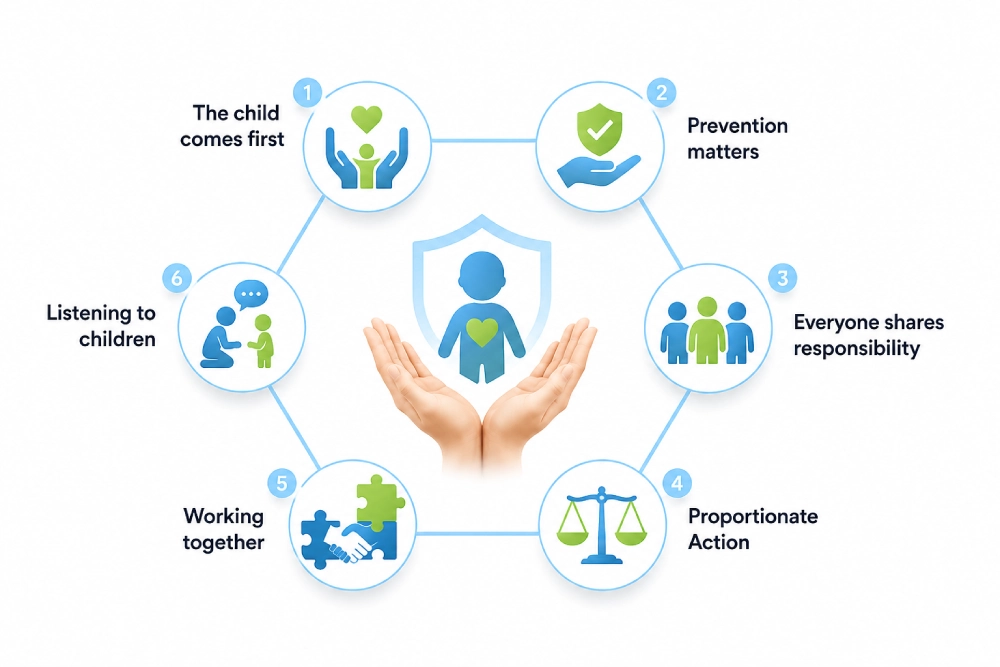
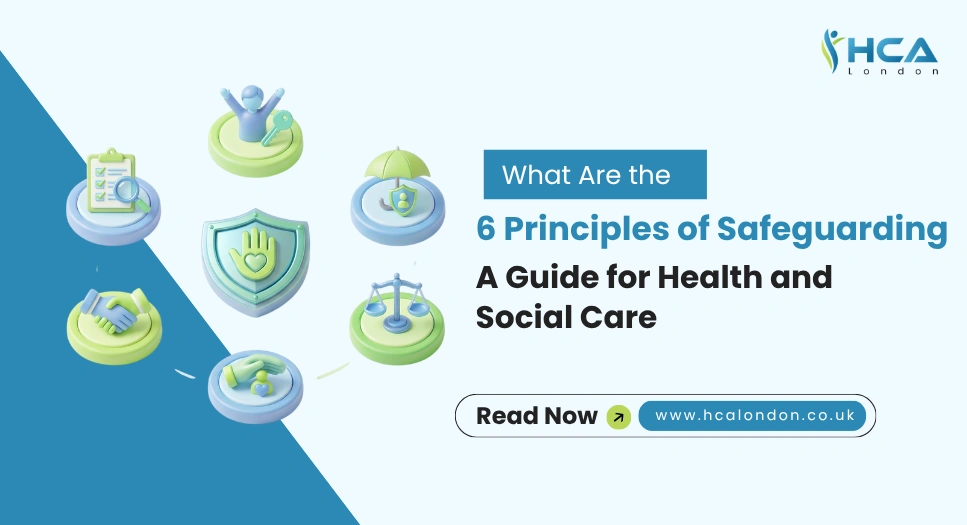
Every organisation that works with children needs a shared understanding of what good safeguarding looks like. These principles guide day-to-day decisions, so staff know how to act consistently in any situation. But what are the 6 principles of child safeguarding? These child safeguarding principles provide a practical framework for making decisions that protect children, promote their wellbeing, and respond appropriately to concerns.

These include the following:

The Core Principles of Safeguarding Children

The child comes first

The child’s safety, wellbeing and best interests should remain central to safeguarding decisions.

Prevention matters

Spotting risks early stops small problems from turning into serious harm. Acting early protects children before a crisis happens.

Everyone shares responsibility

Safeguarding is not just the job of social workers. Teachers, healthcare workers, and community members all play a role.

Proportionate Action

Responses should match the level of risk. Not every concern needs an emergency response, but every concern needs a response.

Working together

Effective safeguarding depends on agencies sharing relevant information and working together rather than operating in isolation.

Listening to children

Children’s views and experiences should shape the support they receive. A child who feels heard is more likely to speak up when something is wrong.

Why Is Child Safeguarding Important?

Since children may not be able to protect themselves, they need to have adults who will be able to tell that something is going wrong. In the absence of adequate safeguarding measures, children may become more susceptible to child abuse and neglect, leading to poor physical and psychological well-being. Effective safeguarding processes can detect the problem at an early stage, provide an environment where children can freely talk about what is happening, and take appropriate actions.

Learn to Recognise. Know How to Respond.

The right knowledge can give you the confidence to notice when something isn’t right and know what to do next. Build the skills to recognise concerns, listen with care and take the right steps when a child may need your support.

What Is Early Help in Child Safeguarding?

Early help means supporting a child and their family as soon as a concern appears. It aims to prevent problems from becoming more serious and helps children stay safe and well. Early help can involve healthcare staff, schools, social care, and other local services. These professionals work together to understand the child’s needs and provide the right support.

Who Is Responsible for Child Safeguarding?

Child protection is the responsibility of everybody concerned. The parents, teachers, medical practitioners, social workers, police, and the local safeguarding partners each play an important part. Each individual plays a unique role in protecting children and ensuring their well-being.

Here is how each group supports child safeguarding:

Parents and carers

Provide children with safe care, support their wellbeing, and help protect them from harm.

Schools and early years settings

Create safe environments, train staff to recognise concerns, and follow safeguarding procedures.

Healthcare professionals

Look for signs of abuse or neglect during appointments, assessments, home visits, and other interactions.

Social services

Assess safeguarding concerns, arrange appropriate support, and take Action when children face a risk of harm.

The police

Respond to serious safeguarding concerns, protect children from immediate danger, and investigate suspected criminal offences.

Local safeguarding partners

Bring together local authorities, police, and health services to coordinate safeguarding arrangements in their area.

UK Laws and Regulatory Guidelines 

Several laws and pieces of statutory guidance shape how safeguarding works in the UK. Understanding child safeguarding legislation in the UK helps organisations and professionals follow the right procedures and protect children effectively. These laws and guidelines for safeguarding children provide the framework for creating safe environments, responding to concerns, and promoting children’s welfare.

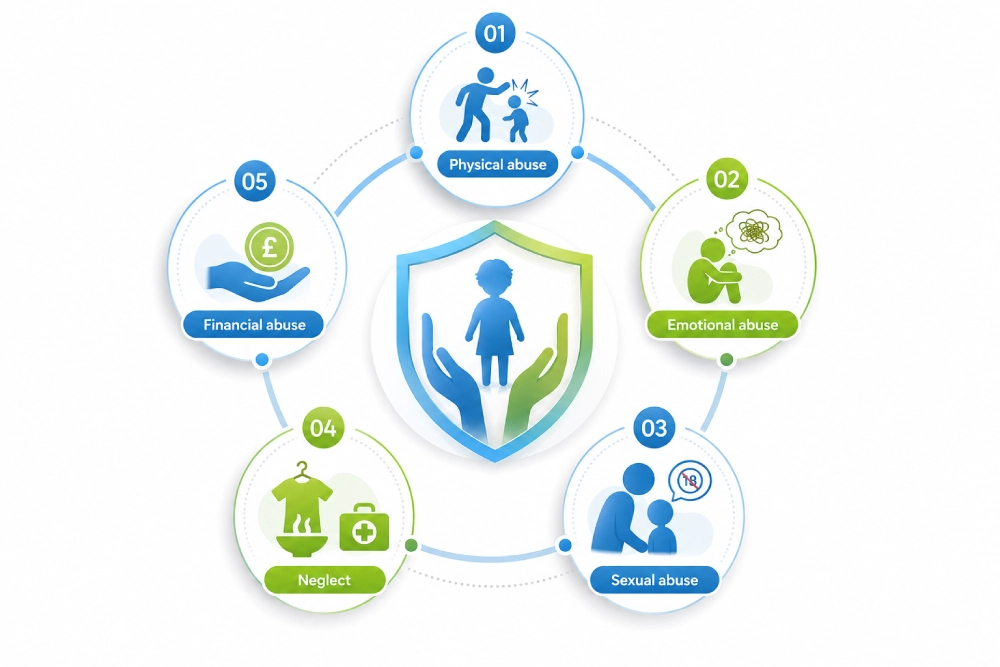
Types of Abuse

Child abuse can take different forms, and a child may face more than one type at the same time. Healthcare assistants need to understand these types so they can spot possible signs and respond to concerns.

Physical abuse

Someone may hurt a child by hitting, kicking, shaking, burning, or causing other injuries.

Emotional abuse

Someone may repeatedly frighten, threaten, reject, or put down a child. This can affect the child’s confidence and emotional well-being.

Sexual abuse

An adult or another person may involve a child in sexual activity or expose them to sexual content. A child may not understand what is happening or feel unable to speak about it.

Neglect

A child may not receive the food, clothing, medical care, supervision, or emotional support they need.

Financial abuse

Someone may misuse a child’s money, benefits, or other resources for their own gain. This type of abuse can affect older children and young people in particular.

 What Are Common Safeguarding Concerns?

Safeguarding concerns can involve more than direct abuse. A child may face harm at home, in the community, or online. Healthcare assistants should take any concern seriously, even when they do not have clear proof of harm. Common concerns include:

Neglect

A child may not receive enough food, care, supervision, or medical support.

Domestic abuse

A child may see, hear, or experience abuse between adults at home.

Exploitation

Someone may use a child for money, crime, sexual purposes, or other personal gain.

Female genital mutilation (FGM)

A child may face pressure or risk of FGM, which can cause serious physical and emotional harm.

Child criminal exploitation

Someone may pressure or control a child to take part in criminal activity.

Radicalisation

Someone may influence a child to support extreme views or take part in harmful activities.

Bullying

A child may face repeated physical, verbal, or online bullying that affects their safety and wellbeing.

 Online Safeguarding

Online safeguarding protects children from risks they may face on social media, games, messaging apps, and other online platforms. These risks can include bullying, grooming, harmful content, and sexual exploitation. Healthcare assistants should take online concerns seriously and follow their organisation’s safeguarding process when a child may face harm online.

What Is Contextual Safeguarding?

Contextual safeguarding looks at risks that children may face outside their home or family. These risks can happen at school, in the community, among peers, or online. Examples include bullying, exploitation, grooming, and harmful peer pressure. Healthcare assistants should consider the child’s wider environment when they identify a safeguarding concern.

Signs of Abuse and Neglect

Recognising the signs of abuse or neglect early can help protect a child from further harm and ensure they receive the right support. These signs may appear as physical injuries, changes in behaviour, emotional distress, or signs that a child’s basic needs are not being met. Some common indicators include:

Physical signs

Behavioural and emotional signs

Possible indicators of neglect

No single sign confirms abuse on its own. However, you should always take a pattern of signs or a sudden change in a child’s behaviour seriously and report it through the correct channels.

Safeguarding Children in Healthcare

Healthcare settings are often where safeguarding concerns first come to light. A healthcare assistant may notice an unexplained injury during a routine check, or a parent who seems unusually anxious during an appointment.

Healthcare staff have a duty to:

Because healthcare workers see children and families regularly, they are in a strong position to notice changes over time. This makes safeguarding training an essential part of every healthcare role, not an optional extra.

What Should a Healthcare Assistant Do If They Have a Safeguarding Concern?

If a healthcare assistant has a safeguarding concern, they should take it seriously and act without delay. They should stay calm, record the facts clearly, and report the concern through their organisation’s safeguarding procedure.

  • Listen carefully: Give the child time to speak and avoid asking leading questions.
  • Record the concern: Write down what you saw, heard, or were told using clear and factual words.
  • Report the concern: Tell the designated safeguarding lead or the appropriate senior staff member.
  • Follow the procedure: Use the organisation’s safeguarding policy and follow any further instructions.
  • Keep information private: Share details only with people who need to know.

What Should You Do If a Child Discloses Abuse?

If a child tells you about abuse, stay calm and listen carefully. Let the child speak in their own words. Do not blame them or promise to keep the information secret. Reassure them that they did the right thing by speaking up.

After the disclosure, record the child’s words as accurately as possible. Report the concern to your designated safeguarding lead or follow your organisation’s safeguarding procedure. Do not investigate the situation yourself.

Can Healthcare Assistants Break Confidentiality to Protect a Child?

Yes, Healthcare assistants may need to share confidential information when they have a safeguarding concern. They should not promise a child that they will keep abuse or harm secret. Instead, they should explain that they need to share the information with the right person to help keep the child safe.

Healthcare assistants should share only the information needed to protect the child. They should follow their organisation’s safeguarding policy and report the concern to the designated safeguarding lead or the appropriate professional.

Common Misunderstandings About Safeguarding Children

Safeguarding can sometimes seem complex, which can lead to mistakes or confusion. Understanding a few common points can help healthcare assistants respond with confidence.

  • “I need proof before I report a concern.” You do not need proof. Report reasonable concerns and let the appropriate professionals assess them.
  • “Safeguarding only means preventing abuse.” Safeguarding also promotes children’s welfare, prevents harm, and supports healthy development.
  • “I should investigate the concern myself.” Do not investigate. Record what you see or hear and follow the correct reporting process.
  • “I must keep everything confidential.” You should protect privacy, but you may need to share information to keep a child safe.
  • “Only safeguarding leads are responsible.” Everyone who works with children has a role in keeping them safe.

Get Safeguarding Training with Healthcare Academy London

If you want to build the skills and confidence to support safeguarding in your role, Healthcare Academy London(HCA London) offers healthcare courses designed for healthcare assistants working across the UK. Our courses are designed to fit around your schedule so that you can learn at your own pace. Each course comes with a recognised certificate you can add to your professional portfolio. Explore our courses to take the next step in your healthcare career.

Final Thoughts

Child safeguarding protects some of the most vulnerable people in our society. It depends on every adult, whether a parent, teacher, or healthcare assistant, staying alert and knowing how to act. The importance of child safeguarding lies in how it turns awareness into Action, catching risks early and giving children a safe place to grow. Understanding the goals, principles, and laws behind safeguarding is the first step toward making a real difference in a child’s life.

Frequently Asked Questions

The 4 Rs are Recognise, Respond, Report and Record. They provide a simple framework for identifying concerns and taking appropriate safeguarding action.

A safeguarding referral is a request made to the appropriate safeguarding service or professional when there are concerns that a child may be at risk of harm or needs additional support.

The relevant professionals assess the information, consider the level of risk and decide what action or support may be appropriate for the child and family.

Information sharing means providing relevant information to appropriate professionals when necessary to identify or reduce risks to a child. It should be lawful, proportionate and purposeful.

Significant harm means serious or lasting harm to a child’s health or development, requiring professionals to consider whether statutory child protection action is needed.

A Child Protection Plan sets out how professionals and parents will work together to reduce identified risks and keep a child safe from further harm.

A child protection conference is a multi-agency meeting where professionals and family members consider concerns about a child’s safety and decide whether a protection plan is needed.

A strategy discussion brings relevant professionals together to share information and decide what action is needed when there are concerns that a child may face significant harm.

A safeguarding assessment considers a child’s needs, circumstances, vulnerabilities and potential risks to help professionals decide what support, protection or further assessment may be required.

0
0
Your Cart
Your cart is emptyReturn to Courses

Confused About Enrolment? Let’s Clear It Up!

Learner Feedback Form

Note: Please rate each statement using the scale below. Your responses are confidential and will be used solely to improve the quality of our programmes.
1 = Strongly Disagree 2 = Disagree 3 = Neutral 4 = Agree 5 = Strongly Agree

Section A: Course Content

Section B: Delivery & Design

Section C: Learning Outcomes

Section D: Open Comments