The 5 key principles of moving and handling are Plan, Position, Pick, Proceed, and Place. These principles help you move or support people safely while reducing the risk of injury for both the caregiver and the person receiving care. They also encourage better planning, safer techniques, and greater confidence during every move. Whether you work in healthcare or social care, safe moving and handling should always come first.
In this blog, you’ll learn about the 5 key principles of moving and handling, why they matter, and how to apply them effectively in care settings.
Table of Contents
Why Are the Principles of Moving and Handling Important?
The principles of moving and handling do more than prevent injuries. Understanding why moving and handling is important helps you recognise how safe practices protect people, reduce risks, and improve the quality of care. The principles of moving and handling provide a clear framework for completing tasks safely while protecting both the caregiver and the person receiving support.
The key benefits include:
It reduces the risk of injuries, including muscle strains, back pain, and accidents.
Maintaining the comfort, dignity, and safety of the person being supported.
Helping you choose the right techniques, equipment, and approach for each task.
Improving confidence when handling different moving and handling situations.
Creating a safer environment for everyone involved.
Improve Your Moving and Handling Skills Today
Complete our online Moving and Handling course and build confidence in every task.
The Five Essential Principles for Safe Moving and Handling
Safe moving and handling goes beyond just physical effort. It requires proper planning, correct techniques, and effective communication throughout the process. The five essential principles for safe moving and handling guide you through each stage of the task, helping you keep the individual safe, comfortable, and supported from start to finish.
Let’s consider the following principles and see how they work in practice.
1. Plan
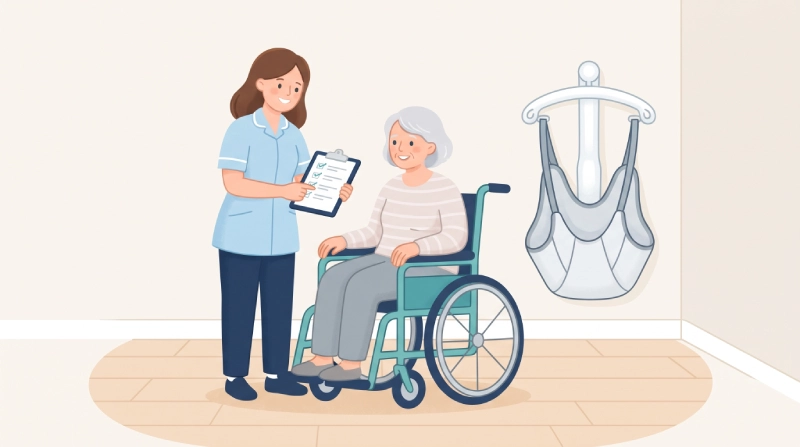
Planning is the first step in safe moving and handling. When you look at the list of 5 principles for safe moving and handling, Plan is the first principle because it helps you prepare before starting any task. Assess the person’s needs, the environment, and any possible risks. Decide if you need equipment or support from a colleague. Good planning reduces risks, prevents mistakes, and helps you complete the task safely and confidently.
2. Position
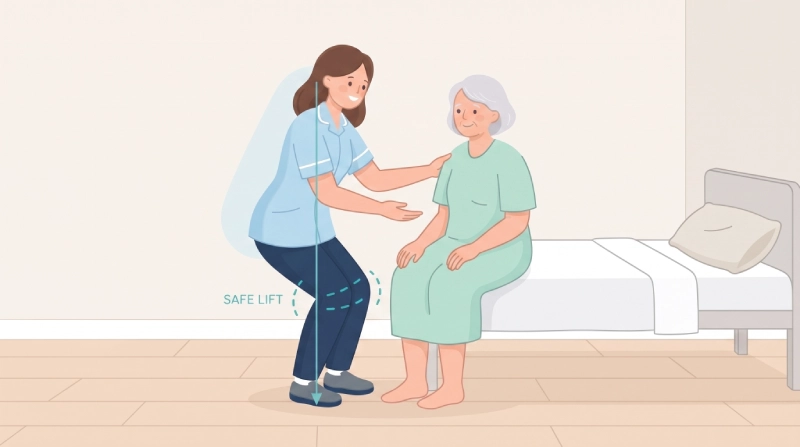
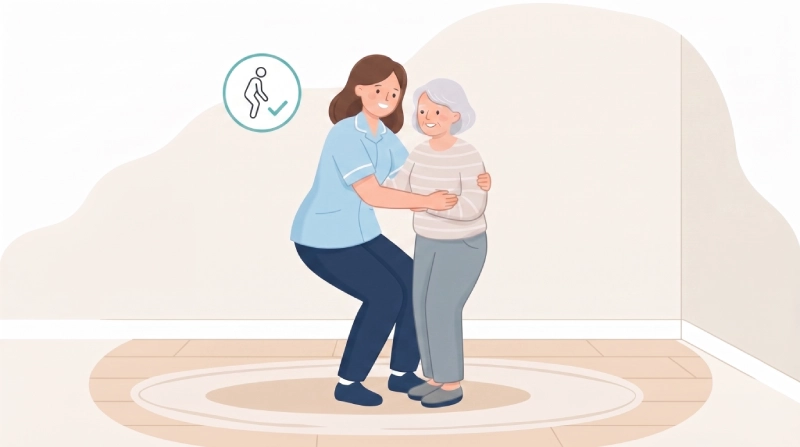
Assume the right position before making any moves or lifting anything. Place your feet firmly apart to create a stable base and support better balance. At the same time, keep your back straight and bend your knees instead of your waist. Hold the person or object close to your body, as this reduces pressure on your muscles and joints. Good positioning gives you better control and helps you move safely from start to finish.
3. Pick
Ensure that you use a safe technique in lifting before you start the process. Bend your knees to use your leg strength instead of using the strength in your back. The most important aspect of the lifting process is that you do not twist your body during lifting. This will ensure that you don’t strain your body while lifting the weight. It is better to use proper lifting equipment when lifting heavy weights.
4. Proceed
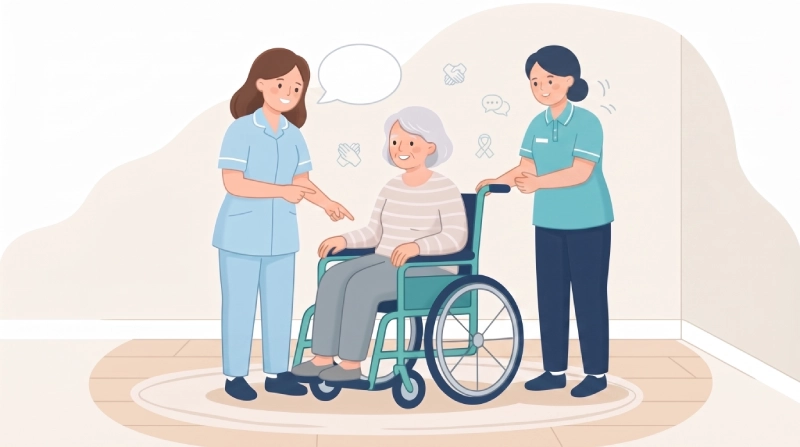
Be careful and always be in control when doing this task. Before you proceed, make sure that you tell the person about what you are going to do next. This way, the person would know what to anticipate. When other caregivers help you, ensure effective communication and perform the task together while observing anything unusual in the surroundings or with the person.
5. Place
Once the moving process is done, the next step is ensuring that the individual or object is positioned in a secure and comfortable position. The movement should be slow and cautious enough to prevent any sudden movements which might bring about discomfort and imbalance. Finally, one should ensure that the area around them is free from any danger.
Responsibilities in Moving and Handling
Safe moving and handling is not just about following the right techniques; it is also a workplace responsibility. But what are your responsibilities in moving and handling? Employers and employees must work together to reduce risks and maintain a safe environment.
In the UK, organisations must take steps to manage manual handling risks and protect their staff. The Health and Safety at Work Act 1974 places a duty on employers to maintain workplace safety. Additionally, the Manual Handling Operations Regulations 1992 help employers understand how to identify potential hazards, assess risks, and introduce suitable measures to keep handling tasks safe.
To minimise these risks and maintain a safe workplace, employers must take the following actions:
Carry out risk assessments before manual handling tasks.
Avoid hazardous handling activities where possible.
Provide suitable equipment and proper training.
Employees also have an important role in maintaining safety. To support a safe working environment, they should:
Follow workplace safety procedures.
Use equipment correctly.
Report any hazards or risks they identify.
Common Moving and Handling Mistakes to Avoid
Despite proper training, individuals can still make mistakes during moving and handling tasks. These errors can contribute to poor manual handling injuries and show the effects of poor lifting techniques, including muscle strain, back pain, and reduced mobility. Recognising these common mistakes early helps you improve safety, follow correct procedures, and reduce unnecessary risks during everyday tasks.
Look at the common mistakes below to identify potential risks and learn practical ways to prevent them.
Common Mistake
Why It Can Be Risky
Skipping the risk assessment
Failing to assess the task, person, and environment can lead to unsafe decisions and increase the chance of accidents or injuries. .
Using incorrect posture
Poor posture, such as bending from the back or twisting while moving, can place unnecessary pressure on muscles and joints.
Moving without suitable equipment
Some tasks require equipment such as hoists or transfer aids. Moving without the right support can put both the caregiver and the person at risk.
Poor communication during the move
Lack of direct communication can lead to confusion, sudden movements, and discomfort for the person receiving support.
Rushing the process
Moving too quickly can reduce control and make it harder to respond to changes during the task.
Building Safer Moving and Handling Practices
So, what are the five principles of safe moving and handling? They include Plan, Position, Pick, Proceed, and Place. These principles provide a clear approach to completing tasks, reducing the risk of injury, and supporting the comfort and dignity of the person you are assisting.
In addition, proper training helps you build confidence and manage different situations effectively. Health Care Academy London(HCA London) Moving and Handling Course For Carers and Care Workers develops practical skills and knowledge to help you follow safer care practices. Explore the course today and strengthen your moving and handling skills with the right training and guidance.
There are five key principles in moving and handling: Plan, Position, Pick, Proceed, and Place. These principles aid in lowering risks and ensuring safety in moving and handling operations.
Safe moving and handling practices help prevent injuries, improve confidence, protect a person’s dignity, and create a safer environment for both caregivers and individuals receiving support.