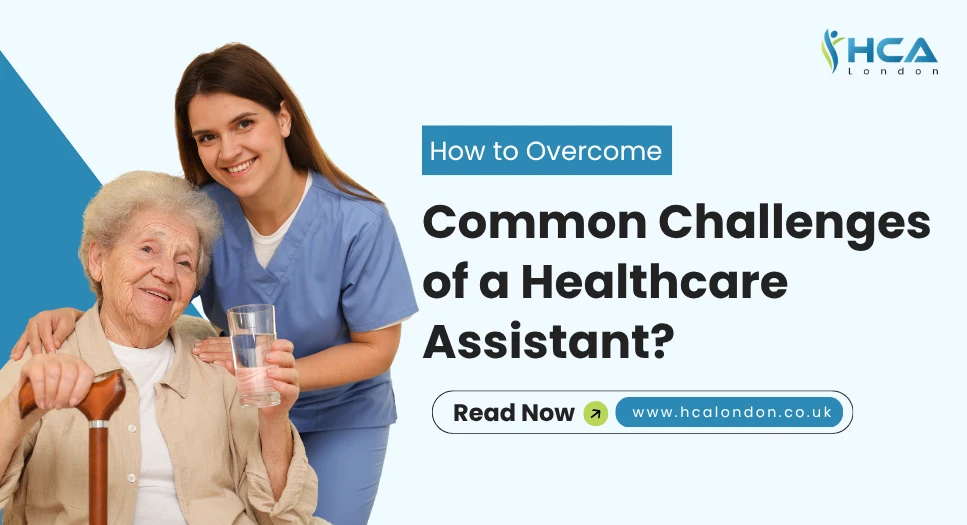
Who really spends the most time with patients in their final days? Not doctors, not nurses, but Health Care Assistants. From helping with meals and hygiene to simply sitting quietly by their side, HCAs provide care that matters every single day. Their role doesn’t stop with the patient; they also support families, helping them understand what’s happening and giving them space to be close to their loved one. So, what does a typical day look like for health care assistants, and how do HCAs support end-of-life and palliative care patients?
Keep reading to learn how HCAs help patients live their final days with dignity:
Understanding End-of-Life and Palliative Care
A serious illness can bring uncertainty and emotional strain for both patients and their families. In these situations, people often ask what is a primary duty of HCAs related to patient care when supporting individuals in palliative and end-of-life care. Palliative care is all about easing symptoms like pain, fatigue, or shortness of breath, and it can begin early, even while treatments are still trying to fight the illness. End-of-life care, however, focuses on the very last stage of life, when curing the illness is no longer the goal. After all, healthcare assistants ensure that patients feel comfortable, supported, and respected.
How do HCAs Impact Patient Care?
Health care assistants may not always be in the spotlight, but their role is vital in ensuring patients feel safe, comfortable, and understood. Here’s a closer look at how do HCAs support end-of-life and palliative care patients:
1. Helping Patients Stay Physically Comfortable
To better understand what is the role of the HCA in palliative care, it’s helpful to look at how they support patients’ comfort on a daily basis. In palliative care, comfort becomes the top priority, but how do caregivers provide every day? Caregivers play a key role in helping patients feel at ease. They assist with personal tasks like bathing, dressing, and grooming, simple routines that can make a patient feel refreshed. What about patients who have limited mobility? Support staff helps them move safely, whether it’s repositioning in bed or helping them sit up. This not only reduces discomfort but also prevents pressure sores.
2. Providing Emotional Support
A key part of learning how to support end-of-life patients is recognising the emotional challenges they face. During their final days, many patients experience fear, sadness, or loneliness. Healthcare assistants help ease these feelings by offering compassionate companionship. They offer quiet companionship, whether it’s sitting nearby, having a gentle conversation, or simply listening as patients share their thoughts and memories. Sometimes, patients just need someone to hear their story without rushing them. Even small gestures like a reassuring word, a calm presence, or holding a hand can make them feel less alone.
3. Assisting With Daily Needs
When someone is unwell, everyday routines that once felt effortless can suddenly become difficult. Health Care Assistants step in during these moments, offering the extra support patients need to get through the day comfortably. They may help with meals when energy is low, assist with personal hygiene, or ensure patients feel fresh and cared for. The healthcare team receives these observations from healthcare assistants to provide ongoing attentive and responsive care.
4. Supporting Families During a Difficult Time
End-of-life care not only impacts the patient, but it also places an emotional weight on families as well. Loved ones often struggle with uncertainty, sadness, and difficult decisions. Support workers help ease this burden by offering reassurance and practical help when patients need it most. They may listen patiently to concerns, respond to simple questions, or guide family members toward the right healthcare professional for further support. Sometimes, something as simple as arranging a chair, offering privacy, or making the space more comfortable can make a lasting difference.
5. Preserving Dignity and Respect
Dignity is a central part of palliative care, and health care assistants help protect it every day. They respect patients’ preferences, beliefs, and cultural values. During personal care, they ensure privacy and explain what they are doing so patients feel comfortable and respected. Whenever possible, HCAs encourage patients to stay involved in their own care. Even small choices like selecting clothes or deciding when to rest can help patients maintain a sense of control.
6. Working Closely With the Healthcare Team
Caregivers do not work alone. They are an important part of a larger healthcare team that may include nurses, doctors, and palliative care specialists. In such a demanding environment, it’s also important to consider how healthcare assistants cope with emotional stress and burnout while providing patient care. They follow care plans, support clinical staff, and share important observations about the patient’s condition. Because HCAs spend so much time with patients, they often notice changes early. Clear communication with the rest of the team helps ensure that patients receive consistent, well-coordinated care.
Enhance your Healthcare Assistant Expertise
When you understand how do HCAs support end-of-life and palliative care patients, you collaborate closely with the healthcare team to ensure patients feel safe and respected. Even small gestures like a reassuring word or gentle assistance can bring immense peace during a patient’s final moments.
For those looking to make a meaningful impact, the End-of-Life Care course by Healthcare Academy London is the best online healthcare assistant course, equipping learners with the knowledge and practical skills to deliver compassionate, high-quality care when it matters most.