


All courses for
£149.99
· Save 87% in just one click
Instant Access
Free Certificate
CQC-Aligned
Good oral health plays a vital role in a person’s comfort, confidence and overall wellbeing. Poor oral hygiene can lead to pain, infection, tooth loss and other health concerns, while also affecting eating, drinking, communication and dignity. This Oral Care course helps learners understand why mouth care matters and how it contributes to safe, respectful and person-centred support. It highlights the importance of making oral hygiene an essential part of everyday care rather than an overlooked aspect of personal care.
Through this course, learners develop the knowledge and confidence to support individuals with their daily oral care needs, identify potential problems and respond appropriately to changes in oral health. They gain a clearer understanding of how effective mouth care can prevent avoidable discomfort, protect well-being and improve quality of life. Whether supporting older people, individuals with additional care needs or those unable to manage their own oral hygiene, learners can apply this knowledge to provide more attentive, compassionate and effective care. Enhance your knowledge through oral health training and make every day’s care count towards healthier, happier lives.
The detailed curriculum outline of this course is provided below, covering all the modules and key topics included in the course.
£49.00 Original price was: £49.00.£13.99Current price is: £13.99.
£49.00 Original price was: £49.00.£13.99Current price is: £13.99.Add to basket
This course includes
E-Learning Course
Included
Lifetime Access
Course detail
This Oral health Care course is suitable for anyone whose role involves supporting individuals with their daily hygiene, personal care and overall wellbeing. It is particularly valuable for professionals who care for older people, individuals with disabilities or those who need assistance maintaining good oral hygiene. The course also provides useful learning for those looking to expand their healthcare knowledge and improve their approach to everyday mouth care.
This course is ideal for:
The oral care course assessment is fully online and easy to complete. You’ll complete ongoing (formative) assessments and a final (summative) assessment to test your understanding of the course content. To pass, you must achieve an 80% score on the multiple-choice questions and successfully complete all required assessments. You’ll receive your results instantly, with unlimited attempts to help you succeed. If you don’t pass on your first attempt, you can retake the exam at no extra cost with lifetime access to the course. Once you’ve successfully completed all assessments, you’ll receive your certificate.
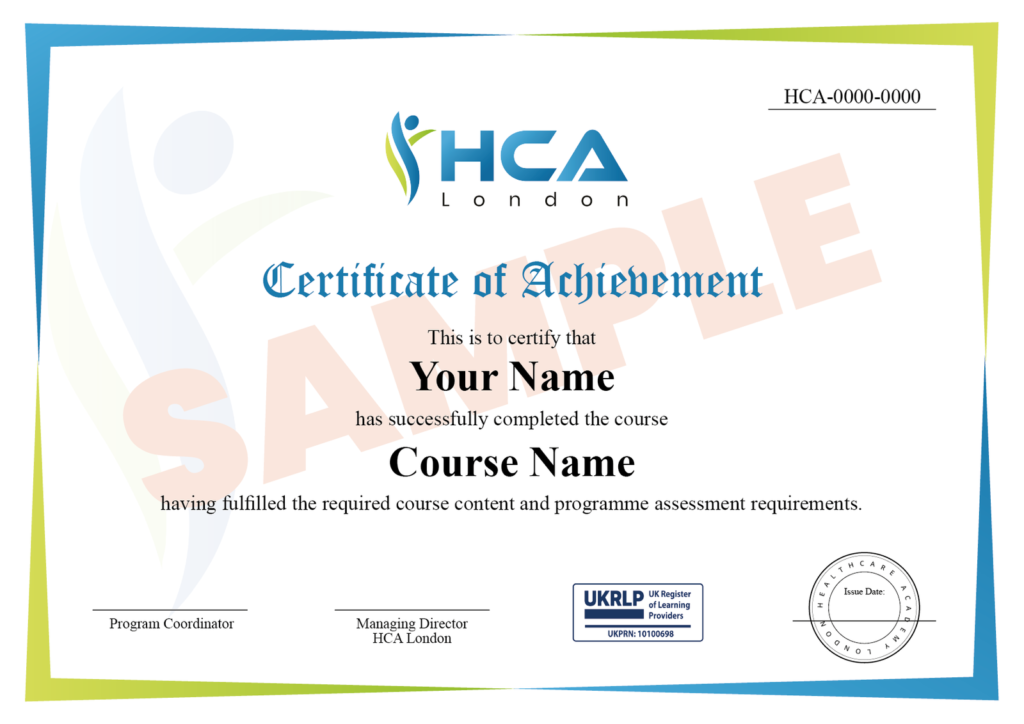
Upon successful completion of the assessment, you’ll receive a free CPD Certificate of Completion as a record of your learning and achievement. Use your certificate to strengthen your professional portfolio, demonstrate your commitment to continuous professional development and showcase the knowledge and skills gained through the course. It also provides a valuable way to evidence your dedication to improving your professional practice and progressing your career in health and social care.
Certificate
Start learning today and get your certificate instantly.
Check any real certificate ID on our verification page.
Good to know
Oral care requires suitable items such as a toothbrush, fluoride toothpaste, floss or interdental brushes, a clean cup, water and a towel. Individuals who wear dentures may also need a denture brush and appropriate cleaning products.
Oral care keeps the mouth, teeth, gums and tongue clean and healthy. It helps remove plaque and food debris, reduce the risk of tooth decay and gum disease, prevent discomfort and support better overall wellbeing.
Oral care items are products used to maintain mouth hygiene. These include toothbrushes, fluoride toothpaste, dental floss, interdental brushes, tongue cleaners, mouthwash, denture brushes and denture cleaning products.
Oral care covers the hygiene and health of the entire mouth, including the teeth, gums, tongue and soft tissues. Dental care focuses more specifically on the teeth and gums, including professional examinations, preventive treatments and dental procedures.
Oral care involves keeping the mouth clean and maintaining healthy teeth and gums. It is important because poor oral hygiene can cause tooth decay, gum disease, infections and pain. Good mouth care also supports eating, drinking, communication, comfort and dignity.
Common signs include bad breath, bleeding or swollen gums, plaque build-up, tooth decay, tooth sensitivity, mouth ulcers, dry mouth and loose teeth. These signs may indicate a need for improved mouth care or professional dental advice.
Respect their decision and avoid forcing them to accept care. Try to understand their concerns, explain the benefits of mouth care gently and offer choices about the timing or method. If refusal continues, report and record it according to workplace procedures and seek appropriate support.
Care workers should wash their hands, wear appropriate gloves and protective equipment, use clean or single-use items where required and avoid sharing oral care equipment. They should also follow infection prevention procedures, dispose of waste safely and clean reusable equipment appropriately.
Related training


Learn to spot abuse, protect vulnerable adults, and take action to keep them safe. Build your skills with a course aligned with Skills for Care guidance and CQC standards. Enrol today and make a difference in people’s lives.

Understand the importance of fluids and nutrition in care settings. Gain the skills to support healthy hydration and balanced nutrition. Register today to boost your caregiving skills and support your professional development.

Deliver compassionate care to people in the final stages of life with Healthcare Academy London’s CPD-accredited End of Life Care Course. Understand how to provide comfort, protect dignity and support individuals and their families during this sensitive time.

Learn to identify hazards, reduce risks, and keep your workplace safe with our CPD-accredited Health and Safety online course. Enrol today and receive a free certificate upon completion to show your commitment to health and safety best practices.