


All courses for
£149.99
· Save 87% in just one click
Instant Access
Free Certificate
CQC-Aligned
Looking to strengthen your understanding of Deprivation of Liberty Safeguards and the responsibilities involved in protecting individual rights? This deprivation of liberty safeguards course explores how restrictions on a person’s freedom can arise in health and social care settings and why staff must approach them with care, fairness and respect. It introduces the legal principles and safeguards that guide decisions when someone may lack the mental capacity to make particular decisions. You will develop a clearer understanding of how these safeguards support individual freedom, dignity, safety and best interests.
Understanding DoLS helps you look beyond day-to-day care arrangements and recognise when restrictions require further consideration, assessment and proper authorisation. Through flexible, self-paced learning, you will build practical knowledge to approach these situations with greater awareness, confidence and professional judgement. The DoLS course also strengthens your ability to contribute to person-centred care, respect people’s wishes and feelings, and understand your responsibilities within your role. Take the next step in your professional development and build knowledge that supports safer, more rights-focused care.
By completing this course, you will learn how to:
The detailed curriculum outline of this course is provided below, covering all the modules and key topics included in the course.
£49.00 Original price was: £49.00.£13.99Current price is: £13.99.
£49.00 Original price was: £49.00.£13.99Current price is: £13.99.Add to basket
This course includes
E-Learning Course
Included
Lifetime Access
Course detail
After completing this course, you will be able to:
The elearning course deprivation of liberty safeguards is suitable for health and social care professionals who support people who may lack the mental capacity to make decisions about their care, treatment or living arrangements. It is ideal for anyone who wants to understand their responsibilities, recognise restrictions on personal freedom and help protect individual rights, dignity and best interests.
This online course dols is suitable for:
The Deprivation of Liberty Safeguards course assessment is fully online and easy to complete. You’ll complete ongoing (formative) assessments and a final (summative) assessment to test your understanding of the course content. To pass, you must achieve an 80% score on the multiple-choice questions and successfully complete all required assessments. You’ll receive your results instantly, with unlimited attempts to help you succeed. If you don’t pass on your first attempt, you can retake the exam at no extra cost with lifetime access to the course. Once you’ve successfully completed all assessments, you’ll receive your certificate.
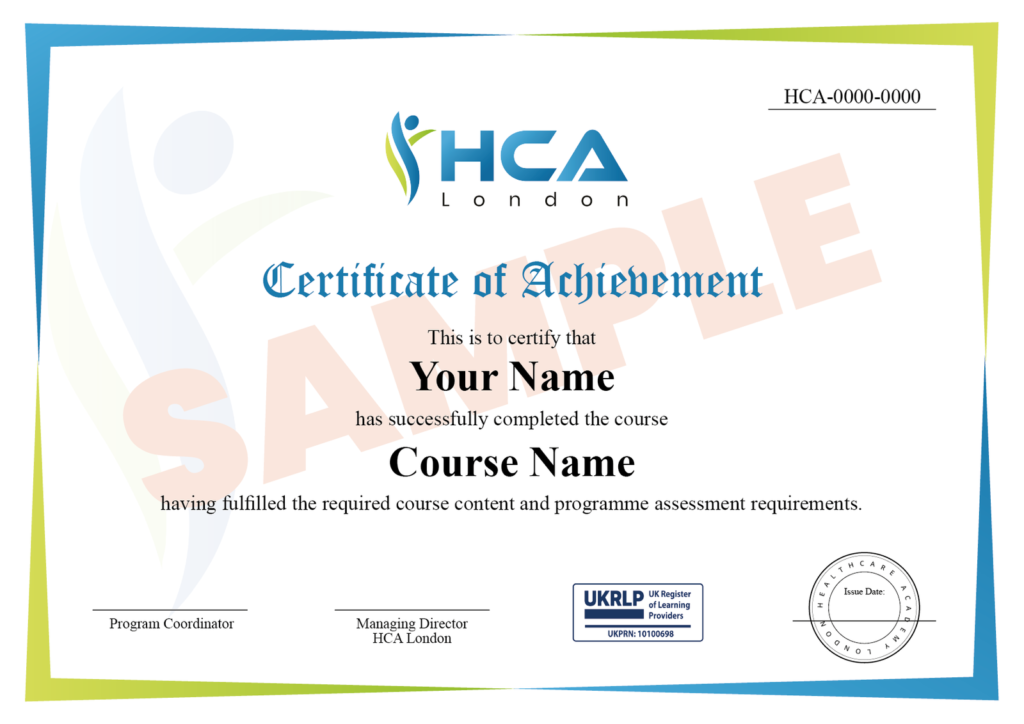
Upon successful completion of the assessment, you’ll receive a free CPD Certificate of Completion as a record of your learning and achievement. Use your dols course certificate to strengthen your professional portfolio, demonstrate your commitment to continuous professional development and showcase the knowledge and skills gained through the course. It also provides a valuable way to evidence your dedication to improving your professional practice and progressing your career in health and social care.
Certificate
Start learning today and get your certificate instantly.
Check any real certificate ID on our verification page.
Good to know
Care workers must respect people’s rights, dignity and freedom. They should recognise possible restrictions, report concerns to their managers, follow care plans and avoid unnecessary restrictions.
DoLS protects people who lack mental capacity to consent to care arrangements that restrict their freedom. It ensures these arrangements are properly assessed, justified and authorised to protect their rights and best interests.
A standard authorisation is granted after the required assessments confirm that the legal conditions are met. An urgent authorisation allows a care home or hospital to authorise a deprivation of liberty for a short period when immediate action is necessary while a standard authorisation is requested.
The six requirements are:
The five principles come from the Mental Capacity Act 2005:
Someone may need DoLS if they lack mental capacity to consent to care arrangements that restrict their freedom. These safeguards ensure that restrictions are necessary, properly assessed and legally authorised.
The process involves six assessments to check whether the legal requirements for DoLS are met. Assessors consider the person’s age, mental capacity, mental health, best interests, eligibility and any relevant refusals before an authorisation decision is made.
DoLS protects people who lack mental capacity and are deprived of their liberty in hospitals and care homes. LPS was designed to replace DoLS and cover more care settings. However, LPS has not yet come into force, so DoLS continues to apply where relevant.
Related training

Discover how to support individuals with learning disabilities and autism through inclusive, person-centred care. Enhance your skills with tutor support and earn an industry-recognised certificate to advance your healthcare career.

Recognise signs of abuse, respond to safeguarding concerns, and learn how to protect children with our CPD-certified Safeguarding Children Course. Build the skills to keep children safe and create supportive environments wherever you work.

Understand equality, diversity, inclusion and human rights with this CPD-accredited online course. Discover how to treat everyone fairly, respect differences, protect human rights and promote equal opportunities in health and social care.

Promote respectful, person-centred care with our CPD-accredited Privacy and Dignity in Care Course. Learn how to protect privacy, respect personal choices and maintain confidentiality. Enrol today to support dignity in care.